Contents
If you notice lingering smoke odors, soot on walls, or irritation when you enter a fire-affected area, you should call a smoke damage restoration company right away. Smoke can hide in porous materials and move through HVAC ducts, lowering indoor air quality and creating health risks. DIY cleanup often misses deep contamination, so professional restoration can remove what you can’t see and help return your space to a safe condition.
Key Takeaways
- Call a smoke damage restoration company if lingering smoke odor remains after a fire.
- Contact professionals when soot stains, sticky residue, or discoloration keep returning after cleaning.
- Get help if you notice throat irritation, coughing, headaches, or poor indoor air quality.
- Call a restoration team when smoke may have entered HVAC ducts, vents, insulation, or hidden spaces.
- Reach out immediately if DIY cleaning fails, because specialists remove hidden contamination and prevent further damage.
Signs You Need Smoke Damage Restoration
If smoke odor lingers after a fire, or you notice soot, staining, or worsening indoor air quality, it may be time to call smoke damage restoration company experts.
You should also watch for discolored walls, greasy residue on surfaces, and irritation when you enter affected rooms. These signs mean smoke particles may have spread into porous materials, HVAC components, and hidden cavities.
When to call smoke damage restoration company professionals depends on how far the damage reached, but you don’t have to guess alone. A trained team can assess contamination, identify affected materials, and recommend safe cleaning or removal steps.
Acting early helps you protect your home, reduce health risks, and restore a clean, comfortable space where you and your family can feel at ease again.
Smoke Damage Odor That Won’t Go Away
When smoke odor keeps coming back after cleaning, the problem usually runs deeper than the visible surface. You may be dealing with particles trapped in drywall, insulation, HVAC ducts, fabrics, or subflooring.
These residues continue releasing volatile compounds, so the smell returns when temperatures rise or humidity changes. If you’ve aired out rooms, washed surfaces, and replaced simple filters but the odor still lingers, it’s time to call a restoration team.
They can inspect hidden materials, test air quality, and use targeted deodorization methods like thermal fogging or ozone treatment when appropriate. Acting quickly helps you protect your home’s comfort, reduce health irritation, and restore a space that feels safe again.
You shouldn’t have to live with that reminder.
Smoke Damage Soot and Wall Stains
Soot and wall stains often confirm that smoke damage has moved beyond a surface-level cleanup. You may see dark film, yellowing, or streaks on paint, trim, and ceilings, and those marks often signal acidic residue that can bond to porous materials.
If you wipe the surface and the stain returns, or if the finish feels sticky, you likely need professional restoration. You shouldn’t scrub aggressively, because that can drive soot deeper or smear it across clean areas.
A smoke damage restoration company can assess the contamination, clean with the right agents, and protect nearby finishes from further damage. When you’re dealing with these stains, you’re not alone; many homeowners face the same issue after a fire or heavy smoke event, and trained help can make the space feel whole again.
When Smoke Harms Indoor Air
Smoke can linger in the air long after the flames are out, and that means you may still be breathing harmful particles and gases inside your home.
You might notice throat irritation, coughing, headaches, watery eyes, or a stale odor that won’t fade. Those signs suggest the air still contains fine soot, volatile compounds, or acidic byproducts that can irritate your lungs and spread through shared spaces.
If you’ve closed windows and the smell remains, or symptoms worsen indoors, it’s time to act. A smoke damage restoration company can assess air quality, remove contaminated materials, and help you return to a safer, more comfortable home.
You don’t have to guess about hidden smoke impacts; you can get clear, expert support and breathe easier together.
Smoke Residue in HVAC Ducts
Smoke residue can settle inside your HVAC ducts and contaminate the airflow that moves through your home.
As your system runs, it can spread odor and fine soot to rooms that seem unaffected, even when the damage isn’t visible.
A smoke damage restoration company can inspect for hidden buildup and clean the ductwork so you’re not recirculating contaminated air.
Duct Smoke Contamination
If smoke has worked its way into your HVAC system, contaminated ducts can keep circulating odor, fine residue, and poor air quality throughout your home. You may notice a stale, ashy smell, gray dust around vents, or increased irritation when the system runs.
A restoration professional can inspect trunk lines, registers, and return ducts, then use controlled cleaning methods to remove soot without spreading it further. They’ll also check filters, blower components, and insulation for hidden residue that traps contaminants.
When you address duct smoke contamination early, you protect indoor air and help your home feel comfortable again. You don’t have to handle this alone; experienced technicians can restore your system carefully and give you confidence that your space is clean, safe, and welcoming.
Airflow Odor Spread
When odor keeps reappearing after you clean the visible surfaces, it often means smoke residue is trapped in your HVAC ducts and spreading each time the system runs.
You’ll notice the smell stronger at vents, in closed rooms, or after the fan cycles on. That airflow can carry volatile compounds through your home, so simple surface cleaning won’t fully solve it.
A smoke damage restoration company can inspect registers, returns, and duct pathways, then use targeted methods to remove contamination and help balance indoor air quality.
When you address the source early, you protect your comfort and keep your home feeling like a place where everyone can breathe easier together, without that lingering reminder of the fire.
Hidden Soot Buildup
Even after surfaces look clean, hidden soot can linger inside your HVAC ducts and keep recirculating through the home each time the system runs.
You might notice fine dust on registers, stale odors, or irritation that returns after cleaning. That’s a sign you need professional duct inspection and source removal, not just surface wiping. A smoke damage restoration company can help you protect the air you and your household breathe.
- Inspect ducts, plenums, and coils for residue.
- Clean with HEPA equipment and targeted agitation.
- Verify airflow, filtration, and odor control afterward.
This process helps restore cleaner indoor air and keeps your space feeling like home again.
When soot hides in the system, you’re not alone—specialists can trace it, remove it, and reduce the chance of ongoing contamination.
After the Fire Is Out
After the fire is out, you should assess hidden damage in walls, insulation, ceilings, and other concealed areas, since smoke and heat can leave behind structural and material issues.
You’ll also want to check air quality for lingering soot, odors, and fine particulates that can affect indoor conditions.
If you notice contamination or reduced air quality, contact smoke damage restoration professionals to inspect, clean, and stabilize the space.
Assess Hidden Damage
Once the fire is out, you still need to look for hidden damage because smoke can seep into wall cavities, ductwork, insulation, and other enclosed spaces you can’t inspect at a glance.
You can protect your home by checking the areas that trap residue and heat stress.
Inspect attic and crawlspace framing for soot lines, warped materials, and odor pockets.
Open access panels, vents, and cabinets to spot staining, corrosion, or damp residue.
Review trim, outlets, and baseboards for discoloration or softened finishes.
If you notice these signs, you’re not overreacting—you’re catching issues early.
A careful assessment helps you decide whether you need professional restoration before damage spreads and your home feels unsafe or incomplete.
Check Air Quality
With hidden damage checked, the next step is to evaluate the air you’re breathing.
Start by noticing lingering smoke odor, irritant odors, and any visible haze, because these often signal fine particulates still circulating indoors.
Check whether your HVAC system spreads that smell room to room, and inspect filters for dark residue.
If you have a portable air monitor, review readings for particulate levels and volatile organic compounds, since both can rise after fire exposure.
Open windows only if outdoor air is clean and weather allows, because ventilation shouldn’t pull in more contaminants.
You deserve a home that feels safe and comfortable again, and you’re not overreacting if the air still feels harsh.
Persistent throat irritation, coughing, or a bitter odor means the environment needs more attention now.
Contact Restoration Pros
When should you call in help? Right after the fire’s out, you should contact restoration pros if smoke odor, soot, or moisture lingers. Their team can inspect hidden damage, document losses, and start controlled cleanup before residues set into porous materials.
You’ll feel better knowing trained specialists are guiding the process with proven methods and clear communication.
- They assess structural, HVAC, and contents damage.
- They use HEPA filtration, deodorization, and soot removal.
- They coordinate with your insurer and outline next steps.
If you wait, corrosion and odor can spread. By acting quickly, you protect your home, reduce repair costs, and join a support network that understands what you’re facing.
A qualified crew helps you move forward safely and confidently.
Why DIY Smoke Cleanup Falls Short
DIY smoke cleanup often falls short because smoke residue is more complex than it looks. You may wipe away visible soot, but microscopic particles still cling to surfaces and drift into hidden spaces.
Household cleaners can smear residue, lock in odors, or push contaminants deeper into porous materials. You’re also likely to miss areas behind trim, inside vents, and above ceilings where smoke settles unevenly. That’s why the problem can linger even after a thorough effort.
When you tackle it alone, you’re doing the work, but not always solving the source. A trained restoration team brings the right tools, methods, and experience so you can feel confident your home is being handled with care.
You deserve a space that feels clean, safe, and truly restored.
What Smoke Damage Restoration Covers
Smoke damage restoration covers much more than removing visible soot. You get a systematic response that targets residue, odor, staining, and hidden contamination so your home feels safe again. Technicians assess materials, airflow, and surface porosity, then choose the right method for each area.
They clean structural surfaces, contents, and HVAC components to stop soot from spreading.
They deodorize using thermal fogging, hydroxyl treatment, or air scrubbing to neutralize smoke molecules.
They monitor moisture, corrosion, and air quality so secondary damage doesn’t keep building.
You’re not just fixing appearances; you’re restoring a healthy indoor environment. When experts handle the work, you can breathe easier, protect your belongings, and feel confident your space is truly recovering with you.
Frequently Asked Questions
How Soon Should Smoke Damage Be Assessed After a Fire?
You should have smoke damage assessed within 24 to 48 hours after a fire; you’ll limit corrosion, odor, and health risks. You can trust a fast inspection to guide cleanup, repairs, and recovery.
Can Smoke Damage Affect Belongings Hidden in Closed Cabinets?
Yes—like a quiet intruder, smoke can seep into closed cabinets and taint belongings. You’ll find odor, soot, and corrosive residue on contents, so inspect everything promptly and clean or restore affected items.
Will Homeowners Insurance Cover Professional Smoke Restoration Services?
Yes, your homeowners policy often covers professional smoke restoration if the damage came from a covered fire. You’ll need to document losses, review exclusions, and work with your insurer and restoration crew promptly.
How Long Does Smoke Residue Stay Harmful After Cleanup?
Smoke residue can stay harmful for weeks or months if you don’t remove hidden soot. For example, you might clean visible surfaces, yet HVAC dust still irritates your lungs, so you’ll want professional decontamination.
Can Smoke Damage Restoration Help With Electrical System Contamination?
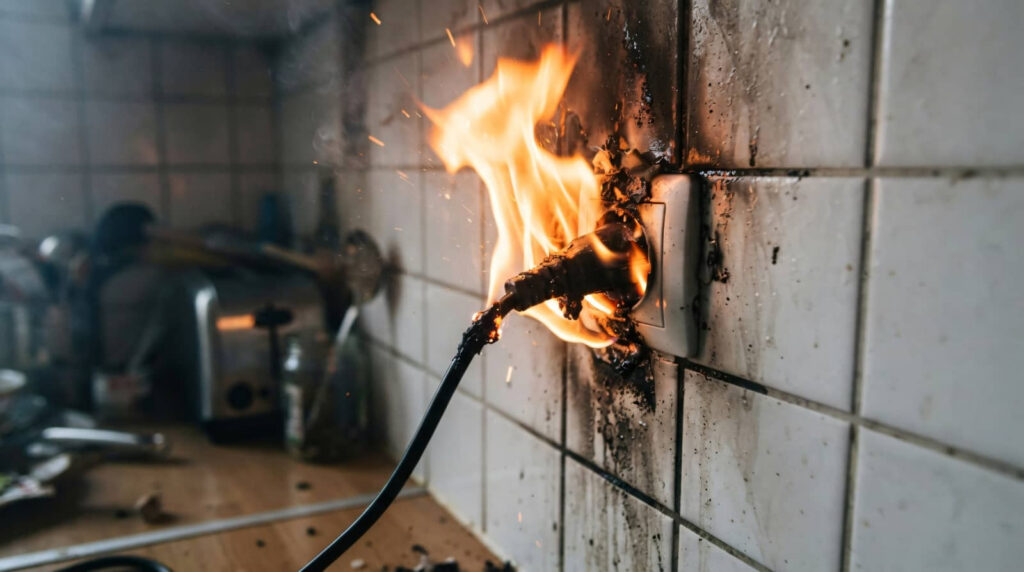
Yes, it can. You’ll benefit from restoration experts if smoke contamination reaches wiring, panels, or outlets, because they’ll clean residues, reduce corrosion, and help protect your system’s safety, performance, and reliability.
Summary
If lingering smoke odors, soot stains, or breathing irritation still greet you after a fire, it’s time to call a smoke damage restoration company. You need expert help when smoke has worked its way into porous materials, HVAC ducts, and hidden spaces. DIY cleanup can miss contaminants and leave your indoor air quality in rough shape. Professional restoration helps you reclaim a safe, healthy home before the damage spreads like wildfire.