Contents
Smoke damage after a kitchen fire often travels farther than the flames, and you may not notice how quickly soot settles into drywall, cabinets, and ductwork. You need to contain the area fast, clean surfaces with the right methods, and track hidden odor sources before they spread. Knowing what to restore, what to replace, and how to document the damage can change the outcome—and the next step matters more than you might expect.
Key Takeaways
- Contain smoke spread by closing doors, sealing vents, and shutting off fans.
- Clean soot with HEPA vacuuming, dry sponges, and pH-neutral or degreasing cleaners.
- Wash washable surfaces, textiles, filters, and small items to remove lingering smoke odors.
- Inspect and clean appliances and ductwork; replace HVAC filters if contaminated.
- Document damage with photos and receipts, then file insurance claims promptly.
What Kitchen Fire Smoke Leaves Behind
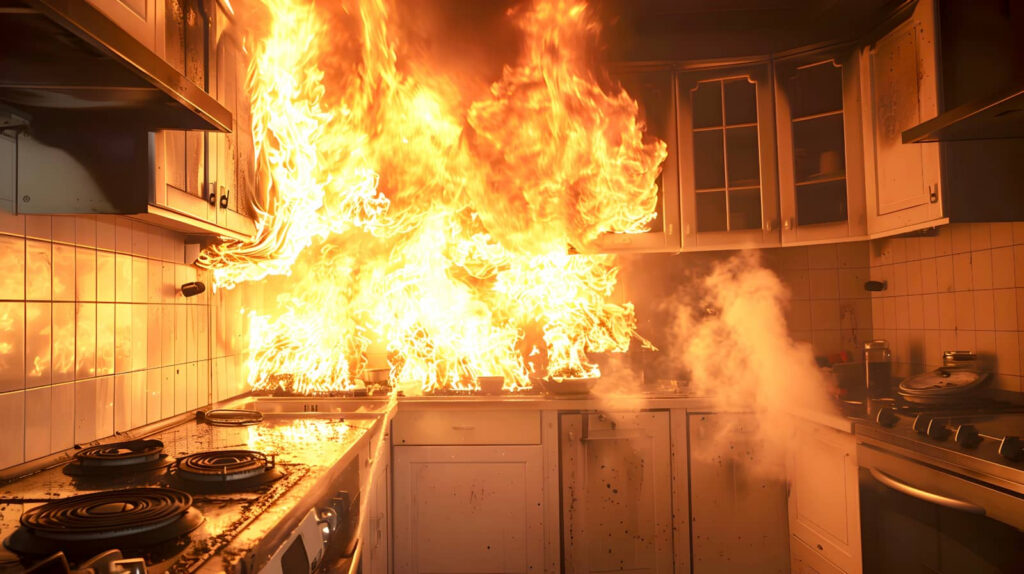
Kitchen fire smoke leaves behind more than a dark stain—it settles as soot, lingering odor, and sticky residue that can spread far beyond the kitchen itself.
You’ll often notice fine carbon particles on cabinets, walls, and nearby rooms, plus a greasy film that clings to painted surfaces and trim.
Heat can bake smoke compounds into finishes, making cleanup harder. Odor molecules also embed in porous materials, so the smell can persist long after visible debris is gone.
In smoke damage repair after kitchen fire work, you assess the type of residue first, because dry soot and oily smoke need different treatment.
When you understand what’s left behind, you can choose the right cleaning method and feel confident restoring a safer, more comfortable space.
Stop Smoke Damage From Spreading
Once you’ve identified the soot, odor, and residue, the next step is to stop them from moving into cleaner areas. Close doors to nearby rooms, seal vents with plastic, and shut off fans that could pull contaminated air through the house.
You should open windows only when outside air can safely move smoke out without spreading particles. Use a box fan in a window to exhaust air outward, not inward.
Place clean towels at door gaps to block drafts, and limit traffic so you don’t track debris from the kitchen. If you’ve got HVAC access, turn the system off until filters and ducts are checked.
These steps help protect shared spaces and give your home a calmer, cleaner recovery path together.
Clean Soot From Walls and Counters
You’ll need to remove soot with the right method for each surface, starting with dry sponges or HEPA vacuuming before any wet cleaning.
On countertops, use a pH-neutral cleaner and microfiber cloths so you lift residue without scratching or pushing it deeper into the finish.
Work top to bottom and change cloths often so you don’t spread soot onto clean walls, cabinets, or nearby surfaces.
Soot Removal Methods
When soot settles on walls and counters after a kitchen fire, start by dry-removing loose residue with a HEPA vacuum or a soft dry sponge to avoid smearing it into the surface. You’re not alone here; methodical steps help you reclaim the space safely.
- Work from top to bottom.
- Change cloths as they darken.
- Use light pressure only.
- Test a small area first.
- Rinse tools often.
Next, apply a soot-cleaning solution to your sponge, not the wall, and wipe in overlapping passes. Keep the surface barely damp, then dry it right away with a clean microfiber cloth.
If streaks remain, repeat gently instead of scrubbing hard. This approach protects finishes and limits particle spread, so your kitchen starts feeling familiar again.
Countertop Surface Cleaning
For countertops, start by confirming the surface finish so you don’t use a cleaner that can etch stone, dull laminate, or strip sealants.
Then, vacuum loose soot with a soft brush attachment before you touch the surface.
Mix a mild, nonabrasive detergent with warm water, dampen a microfiber cloth, and wipe gently in straight passes. Rinse the cloth often so you’re lifting, not smearing, residue.
For granite, quartz, and sealed stone, use only pH-neutral products; for laminate, avoid excess moisture at seams.
Dry the counter fully with a clean towel to prevent spotting.
If a greasy film remains, repeat the cleaning rather than scrubbing hard.
You can restore a clean, safe workspace and feel confident moving forward together.
Prevent Residue Spread
Before you clean deeper surfaces, stop soot from migrating by working from the top down and isolating each area as you go. You’ll protect the rest of your kitchen and keep cleanup contained.
Use dry microfiber cloths first, then a HEPA vacuum with a brush attachment. Change cloths often so you’re not smearing residue.
- Seal off nearby rooms
- Ventilate without stirring dust
- Wipe walls in small sections
- Rinse counters with fresh solution
- Dispose of dirty materials promptly
For stubborn film, apply a soot-safe cleaner and test a hidden spot first. Work gently around outlets, trim, and cabinet edges.
If you keep movements controlled, you’ll reduce cross-contamination and make the space feel familiar again.
Remove Smoke Odor From the Kitchen
Smoke odor can linger in the kitchen long after the flames are out, so effective smoke damage repair starts by targeting the source of the smell in soot, residue, and porous surfaces.
You should ventilate the room, then clean every washable surface with a degreasing soot remover. Use HEPA vacuuming first to lift fine particles without spreading them.
Wipe walls, ceilings, trim, and appliances with microfiber cloths and change solutions often. Run an activated-carbon air scrubber or an ozone unit only as directed by a professional.
Wash textiles, filters, and small items that trapped odor. Seal off adjacent rooms while you treat the kitchen, so the smell doesn’t return.
When you work methodically, you restore a cleaner, calmer space your household can feel comfortable in again.
Restore or Replace Smoke-Damaged Cabinets
After the fire, you need to inspect each cabinet for more than surface soot, because heat, moisture, and smoke can warp wood, break down finishes, and leave odor trapped in joints and backing.
Check doors, hinges, drawer boxes, and toe kicks for swelling, delamination, and soft spots.
- Cleanable soot only on sealed surfaces
- Solid wood with minor finish loss
- Minor hardware corrosion, not structural damage
- Persistent odor after deep cleaning
- Framing, panels, or backs that feel brittle
If damage stays cosmetic, you can restore cabinets with degreasing, sealing, sanding, and refinishing.
If the odor lingers or the structure feels unstable, replacement’s smarter and safer.
You deserve a kitchen that feels like yours again, and choosing the right option helps you get there with confidence and fewer setbacks.
Deal With Smoke Damage in Nearby Rooms
You’ll want to contain airborne soot first by sealing off nearby rooms and using filtered airflow to limit spread.
Then clean adjacent surfaces with methods matched to the residue type, including walls, trim, and hard finishes that may hold fine particulates.
After that, deodorize shared spaces with targeted ventilation and odor-neutralizing treatments so smoke doesn’t linger or migrate back.
Contain Airborne Soot
To keep soot from spreading into nearby rooms, start by sealing off the affected kitchen with plastic sheeting and closing HVAC vents that could carry fine particles through the house.
You’ll protect the rest of your space by keeping air movement controlled and steady. Use a HEPA air scrubber if you have one, and run it in the kitchen to pull airborne soot from circulation.
- Keep doors shut
- Turn off fans
- Wear gloves and a respirator
- Bag debris quickly
- Replace or clean filters
You’re not alone in this cleanup; these steps help your home feel contained and manageable.
Check for smoke odor drifting into hallways, and adjust your barriers if you notice leakage. The faster you isolate particles, the less soot settles into shared living areas.
Clean Adjacent Surfaces
Once the kitchen is sealed, clean nearby surfaces in adjacent rooms because smoke film and fine soot can settle far beyond the fire area.
You should start high and work down, using microfiber cloths and a dry soot sponge on walls, trim, doors, and vent covers.
Lightly vacuum upholstered furniture and baseboards with a HEPA attachment before wiping.
Mix a mild detergent solution, test it on a hidden spot, then clean one section at a time so you don’t spread residue.
Rinse with a damp cloth and dry each surface promptly.
Pay close attention to switches, frames, and shelving, where oily particles cling.
If you stay methodical, you’ll protect finishes, limit staining, and help your home feel like your own again.
Deodorize Shared Spaces
Even after you’ve cleaned visible soot, smoke odor can linger in nearby rooms because porous materials keep absorbing and releasing odor molecules. You’ll want to treat shared spaces methodically so your home feels normal again.
Open windows and run exhaust fans.
Replace HVAC filters and check ducts.
Wash textiles, cushions, and curtains.
Wipe hard surfaces with odor-neutralizing solution.
Place activated charcoal or HEPA air scrubbers nearby.
Work from the kitchen outward, since airflow carries odor into hallways, living rooms, and dining areas. Seal any heavily affected items in bags until you can launder or discard them.
If the smell remains after several days, you may need thermal fogging or ozone from a trained restoration team. You’re not dealing with this alone; steady, targeted deodorizing restores comfort.
Clean Appliances, Vents, and Ductwork
After a kitchen fire, you’ll need to clean appliances, vents, and ductwork to remove soot, greasy residue, and lingering smoke particles that can keep odors circulating through the home.
You should unplug appliances, wipe exterior panels with a nonabrasive degreaser, and remove detachable parts for separate washing.
For vents, clear grilles, then use a HEPA vacuum and damp microfiber cloth to lift fine soot without spreading it.
In ductwork, inspect accessible sections for residue and have a qualified technician clean deeper runs with negative-pressure equipment.
This process helps protect airflow, reduce corrosion, and restore efficiency.
When you handle these systems carefully, you’re helping your home feel whole again, and you’re making the space safer and more comfortable for everyone inside.
File an Insurance Claim for Smoke Damage
As soon as the fire is out and the area is safe to enter, file your insurance claim for smoke damage so the restoration process can begin without delay. You’ll protect your right to coverage when you document every affected surface and item.
Keep your claim organized and complete:
- Photograph soot, residue, and discoloration
- List damaged cabinets, walls, and nearby rooms
- Save receipts for emergency cleanup
- Note dates, times, and conversations
- Ask for your adjuster’s next steps
When you speak with the insurer, describe the smoke spread and the cleanup work you’ve already done.
You don’t need to handle this alone; your restoration team can support your records and help you present a clear, technical claim that keeps your recovery moving forward with confidence.
Prevent Lingering Odors and Future Damage
You’ll need to neutralize smoke odors with targeted treatments such as HEPA filtration, thermal fogging, or ozone only when conditions allow, so airborne compounds don’t keep recontaminating the space.
Remove hidden soot and residue from cabinets, wall cavities, trim, and ductwork, because leftover particles can keep releasing odor and corrode surfaces over time.
Seal or clean adjacent rooms and nearby materials promptly, since smoke can migrate beyond the kitchen and create secondary damage if you don’t control it early.
Odor Neutralization Methods
Odor neutralization starts with removing the smoke source, because trapped particles in soot, residue, and porous materials can keep releasing smells long after the kitchen fire is out.
You’ll feel more in control when you treat the air and surfaces together. Use:
- HEPA vacuuming to capture fine particulates
- alkaline cleaning agents on affected hard surfaces
- activated charcoal or hydroxyl absorbers for enclosed spaces
- thermal fogging to reach hidden air channels
- ozone or hydroxyl treatment by trained professionals
Then ventilate steadily, run air scrubbers, and monitor humidity so odors don’t settle back in.
If you act quickly and methodically, you can restore a cleaner, safer environment and make your home feel like yours again.
Hidden Residue Removal
Even after visible soot is gone, hidden residue can keep off-gassing and causing damage if you don’t remove it thoroughly.
You’ll need to clean porous and nonporous surfaces with the right detergents, agitation, and rinse steps so oily film lifts from seams, hinges, and textured finishes.
Use HEPA vacuuming first, then apply a residue-breaking cleaner and wipe until cloths stay clean.
If you notice tacky buildup, repeat the process rather than masking it with fragrance.
This protects your cabinets, walls, and trim from discoloration, corrosion, and persistent smoke notes.
When you remove every trace, you help your kitchen feel safe, fresh, and ready for normal use again.
Protecting Adjacent Areas
Once the kitchen surfaces are clean, you still need to protect adjacent rooms so smoke doesn’t keep migrating through the home. Seal door gaps with painter’s plastic, tape HVAC registers, and run exhaust fans to control airflow. You’re not just blocking odor; you’re limiting fine soot from settling into soft goods, trim, and electronics.
- Close doors during cleanup
- Cover vents and returns
- Wash hallway walls and baseboards
- Launder nearby fabrics promptly
- Replace contaminated air filters
Check shared walls for discoloration and wipe them with a residue-safe cleaner. If you notice persistent smell, use HEPA filtration and odor-neutralizing treatments.
Acting quickly helps you protect your space, reduce future staining, and keep every room feeling like yours again.
Restore Vs. Replace Smoke-Damaged Materials
When smoke damage repair after a kitchen fire begins, you’ll need to decide whether to restore or replace affected materials based on how deeply soot, odor, and residue have penetrated.
You can often restore nonporous surfaces like metal, tile, and sealed countertops with HEPA vacuuming, alkaline cleaners, and odor-neutralizing treatments.
For cabinets, drywall, and insulation, inspect for staining, warping, and lingering smell; if contamination reaches the core, replacement usually works better.
You should also replace any material that’s charred, delaminated, or structurally weakened.
Restoration costs less, but replacement gives you a cleaner reset when smoke has traveled through nearby rooms.
Trust the process: by matching the fix to the material, you’ll protect your home’s air quality and help your space feel safe again.
Frequently Asked Questions
How Soon Should Smoke Damage Repair Begin After a Kitchen Fire?
You should begin smoke damage repair within 24–48 hours, ideally immediately, so you can stop soot, odor, and residue from setting in, protect cabinets and walls, and keep nearby rooms from spreading contamination.
Is It Safe to Cook Before Smoke Cleanup Is Finished?
No, you shouldn’t cook before cleanup’s finished; you’d risk inhaling soot and spreading residue. You need cleaned surfaces, cleared odors, and verified ventilation first, so your kitchen stays safe, functional, and welcoming again.
Can Smoke Damage Affect Health Even After Visible Soot Is Gone?
Yes, you can still face health risks after visible soot’s gone, because fine particles and gases linger in surfaces, air, and fabrics. You’ll want thorough cleaning, ventilation, and filtration to protect your household.
Do I Need Permits for Major Smoke Damage Repairs?
Yes—you usually do if repairs touch wiring, plumbing, framing, or structural surfaces. You’ll want local approval first, because missing permits can delay you, raise costs, and leave your home’s recovery unfinished.
How Can I Document Hidden Smoke Damage for Future Claims?
Photograph soot, residue, warped surfaces, and odor source areas with timestamps; note affected rooms, materials, and dates; keep contractor reports, moisture readings, and receipts. You’ll build a clear claim trail and protect your coverage.
Conclusion
You’ve cleaned the soot, sealed the leaks, and chased the smoke from every corner. Now your kitchen can stand like a window opened after a storm—clear, calm, and ready for use again. Keep watching for faint odors, hidden residue, and materials that still hold damage. With careful restoration, you don’t just repair surfaces; you reclaim the heart of your home and give it a cleaner future.