Contents
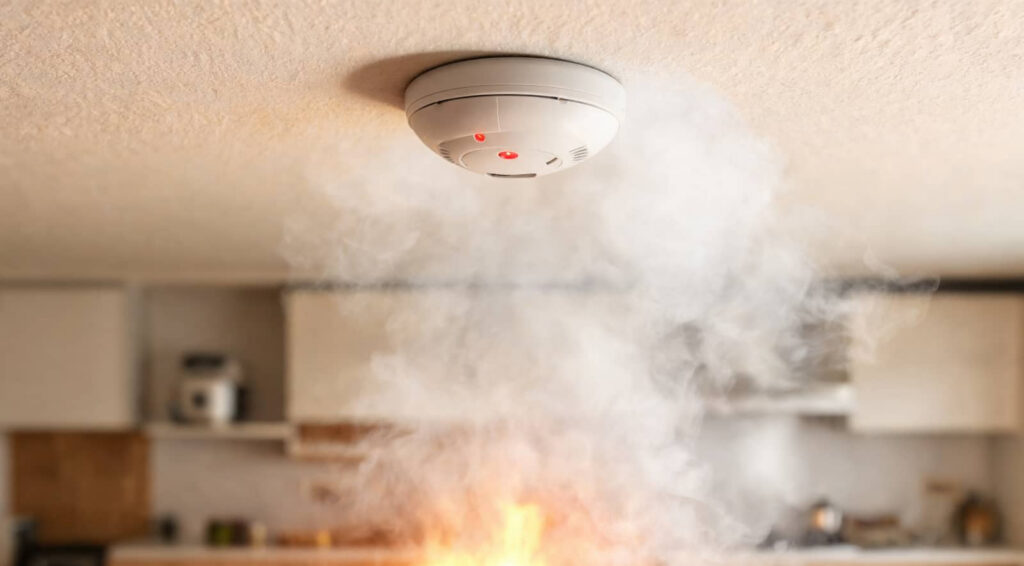
You might not realize that even a small fire can leave acidic soot that keeps damaging surfaces after the flames are out. You may see a faint gray film, but the bigger issue is the residue you can’t see in vents, wall cavities, and HVAC ducts. If you clean the wrong way, you can spread it further. Knowing what to handle yourself—and what needs pro treatment—can change the outcome.
Key Takeaways
- Even a small fire can leave thin gray soot, greasy residue, and odor on walls, ceilings, fabrics, and electronics.
- Smoke particles spread beyond the burn area through airflow, vents, doors, and HVAC systems.
- Hidden damage often exists in wall cavities, ductwork, and porous materials where odors linger.
- Light soot on nonporous surfaces can be cleaned carefully, but use gloves, masks, and avoid spreading residue.
- Call professionals for porous materials, HVAC contamination, or persistent smoke odors to restore the space safely.
What Small-Fire Smoke Damage Looks Like
Even a small fire can leave behind more than visible scorch marks. You may see smoke damage from small fire incidents as thin gray film on walls, ceilings, and trim, plus dark specks around vents, light fixtures, and corners.
Your fabrics, insulation, and duct openings can collect greasy residue that smears when touched. Painted surfaces may dull, yellow, or feel tacky. Metal can show light corrosion, and electronics may trap soot in seams and ports.
In your home, even clean-looking areas can hide contamination in cabinets, closets, and behind furniture. You’re not alone if the damage seems minor; smoke moves fast and settles widely.
A careful inspection helps you map affected surfaces, isolate impacted rooms, and plan focused cleanup before residues spread further.
Why Smoke Odor Lingers
Smoke odor lingers because tiny soot particles stay suspended in air and settle into cracks, vents, and other hidden spaces.
You also get persistent odor when porous materials like drywall, fabric, carpet, and insulation absorb smoke compounds deep into their structure.
Even after visible cleanup, those trapped residues can keep releasing odor until you remove or treat them properly.
Hidden Soot Particles
Tiny soot particles can slip into porous materials, wall cavities, and HVAC ducts, where they keep releasing odor long after the fire is out.
You may not see them, but you can still smell them because they cling to microscopic surfaces and migrate with airflow. These particles often carry burned plastics, proteins, and oils, which makes the residue chemically active and hard to neutralize.
If you run the system without cleaning, you can spread contamination to other rooms.
A professional inspection helps you map hidden deposits, test affected areas, and choose the right cleaning method.
When you address soot at the source, you protect indoor air quality and help your home feel safe and familiar again.
Porous Material Absorption
Because porous materials act like sponges, smoke odor can soak deep into carpets, drywall, upholstery, insulation, and wood trim after a small fire.
You may clean the surface and still notice a stale smell because smoke compounds migrate into tiny pores and fibers. Heat opens these materials, letting odor particles bind to cellulose, foam, and fabric backing.
If soot and moisture stay trapped, they keep releasing odor over time. You’ll need targeted cleaning, HEPA vacuuming, and odor treatment to address the source, not just the surface.
In severe cases, you may need sealed primers or material replacement. Acting quickly helps you protect your space and restore a healthy environment.
When you understand absorption, you’re better equipped to choose effective remediation and feel confident again.
How Smoke Soot Spreads Beyond the Fire
Even a small fire can push soot far beyond the burn area as hot air, pressure changes, and ventilation carry fine particles into adjoining rooms, HVAC ducts, wall cavities, and porous materials.
You’ll often notice that smoke follows airflow paths, settling on cooler surfaces and clinging to trim, furniture, fabric, and electronics. When doors open, fans run, or the furnace cycles, you can spread contamination faster than the flame ever moved.
Tiny soot particles also migrate with footsteps, cleaning, and handling, so one affected space can influence the rest of your home.
To protect your space, isolate the area, limit airflow, and document residue before cleanup. Acting quickly helps you keep your environment safer, cleaner, and more comfortable for everyone inside.
Hidden Smoke Damage in Walls and Vents
Smoke from a small fire can enter wall cavities through gaps, outlets, and penetrations, leaving soot and odor trapped where you can’t see it.
It can also coat ductwork, registers, and HVAC components, where residue keeps recirculating contamination through the building.
You need to inspect these hidden spaces carefully and clean them with methods that address both particulate buildup and odor retention.
Smoke In Wall Cavities
When a small fire sends smoke into wall cavities, it can travel far beyond the visible burn area and settle inside vents, insulation, and framing. You may not see the damage, but you can still notice persistent odor, faint discoloration, and irritated indoor air.
Smoke particles cling to wood, drywall edges, and wiring runs, especially where airflow pulls them through gaps and seams. You’ll need a careful inspection to find hidden soot and moisture-related staining before it spreads.
Professional cleaning teams often access cavities through approved openings, remove contaminated materials when needed, and seal affected surfaces to reduce odor transfer.
If you act quickly, you can protect your home, reduce repair costs, and get your space back to a safe, familiar condition sooner.
Ventilation System Residue
A small fire can leave residue inside ducts, registers, and returns that keeps circulating odor and soot long after the flames are out. You may not see the buildup, but your HVAC system can spread fine particles through every room you use.
Check filters, supply vents, and the air handler for gray film, sticky deposits, and burnt smells. If you run the system before cleaning, you can push contamination deeper into ductwork and onto clean surfaces.
Shut it down, inspect accessible components, and arrange professional duct cleaning if smoke traveled through the system. Technicians can remove residue, seal affected materials, and verify airflow.
When you address ventilation early, you protect your indoor air, restore comfort, and help your home feel safe again.
What You Can Safely Clean Yourself
You can safely clean light surface soot on hard, nonporous items like glass, metal, and sealed countertops if the area is cool, dry, and structurally sound.
Wear gloves and a mask, then use a dry microfiber cloth or soot sponge to lift residue with gentle, one-direction passes. For stubborn film, dampen the cloth with mild detergent and water, then wipe and dry immediately to prevent streaking.
Clean washable dishes, small appliances, and exterior cabinet surfaces the same way. Launder smoke-exposed fabrics on the hottest safe cycle if care labels allow.
Work from the cleanest area outward so you don’t spread particles. As you restore your space, you’re protecting the parts your household uses every day.
Stop if a surface smears, flakes, or feels fragile.
When to Call a Smoke Cleanup Pro
Call a smoke cleanup pro if soot has reached porous materials, HVAC ducts, insulation, wall cavities, or electronics, because those areas trap residue and keep odor circulating.
You should also call one when smoke spread beyond a single room, when surfaces feel sticky after wiping, or when the fire involved plastics, wiring, or synthetic furnishings.
If you notice gray film returning, headaches, or a persistent burnt smell, hidden contamination likely remains.
In multiunit buildings, prompt help protects your neighbors’ air quality too.
A qualified pro can assess the damage scope, document affected zones, and prevent further spread during cleanup.
You don’t need to guess alone; bringing in help early gives you a cleaner, safer result and helps your space feel like yours again.
How Professionals Remove Smoke Odor and Soot
Professionals start by identifying where smoke settled, then they remove loose soot with dry methods before any wet cleaning can smear it deeper.
You’ll usually see HEPA vacuuming, chemical sponges, and careful surface testing to match the right process to each material.
They treat walls, ceilings, trim, and contents separately because smoke behaves differently on paint, metal, fabric, and wood.
To cut odor, they clean porous items, apply specialty agents, and use controlled air treatment that breaks up lingering smoke particles.
Technicians also inspect hidden cavities and HVAC pathways, since residue there can keep affecting your space.
You’re not dealing with this alone; a skilled crew works step by step, restoring a cleaner, healthier environment while protecting the finishes and items you value.
How to Prevent Lasting Smoke Damage
Act quickly after a small fire, because smoke keeps bonding to surfaces and materials long after the flames are out. You should open windows, shut off HVAC if soot spread through ducts, and photograph damage before cleanup.
Then remove loose debris, wash hard surfaces with a smoke-safe cleaner, and dry everything fast to limit corrosion and staining. Bag porous items that hold odor, such as textiles and insulation, and separate salvageable belongings from ruined ones.
If you smell smoke in walls, ceilings, or vents, call a restoration team for thermal fogging, HEPA filtration, and moisture control.
When you act early, you protect your home and help your household recover together with less disruption, less lingering odor, and fewer hidden losses.
Frequently Asked Questions
Can Smoke Damage Affect Nearby Rooms Without Visible Fire?
Yes, you can see smoke damage spread to nearby rooms without visible fire. Smoke travels through vents, gaps, and porous materials, leaving odor, soot, and residue. You should inspect hidden surfaces and clean promptly.
How Soon Should Smoke Damage Be Cleaned After a Small Fire?
You should clean smoke damage immediately, ideally within 24 to 48 hours, because you’ll limit odor, soot corrosion, and hidden residue. You can protect nearby rooms by acting fast and calling professionals when damage spreads.
Does Insurance Usually Cover Smoke Damage From Minor Fires?
Usually, yes, if your policy covers fire losses. A one-room kitchen flare-up once yielded $4,200 in smoke remediation. You should document damage, file fast, and meet your adjuster’s standards to protect your claim.
Can Electronics Be Saved After Smoke Exposure?
Yes, you can often save electronics after smoke exposure if you power them off, avoid use, and get a technician to clean soot and corrosion quickly. You’ll improve outcomes by acting fast and carefully.
Will Smoke Damage Come Back After Cleaning?
Yes, it can if you don’t remove every soot particle, odor source, and residue. You’ll need thorough cleaning, sealing, and ventilation; otherwise, hidden contaminants can resurface and affect your space again later.
Recap
You can’t always see smoke damage, but you can feel its effects in odors, film, and hidden residues. Act fast: ventilate, remove debris, and clean safe surfaces before soot settles deeper into walls and vents. If the smell persists or the damage spreads, call a pro to restore air quality and prevent long-term issues. The sooner you respond, the less smoke has time to claim your home.