Contents
After heavy rain, your sewer line can back up when stormwater overwhelms municipal pipes or forces contamination through cracks and blockages. You need to stop water use, keep people out of affected areas, and document the damage quickly. If you wait too long, microbial growth and structural damage can spread fast, and the cleanup gets more complex. The next step depends on how far the contamination has reached.
Key Takeaways
- Heavy rain can overwhelm sewer lines, forcing contaminated water back through drains, toilets, and floor fixtures.
- Stop all water use immediately and avoid contact with any standing sewage-contaminated water.
- Call professional cleanup services quickly to assess contamination, contain the area, and begin safe extraction.
- Cleanup includes removing contaminated water and materials, disinfecting hard surfaces, and thoroughly drying affected areas.
- Seek professional help if sewage is black, foul-smelling, reaches porous materials, or contacts electrical systems.
What Causes Sewage Backup After Heavy Rain?
After heavy rain, municipal drains and sewer lines can become overwhelmed, causing wastewater to reverse flow and enter your property. You may see this when stormwater infiltrates cracked laterals, offsets joints, or overloaded combined sewers.
If your home sits below street grade, or your plumbing includes low-lying fixtures, hydrostatic pressure can force contaminated water back through floor drains, toilets, or sinks. Grease, roots, and debris can reduce pipe capacity, increasing the likelihood of sewage backup cleanup after heavy rain.
In older neighborhoods, aging infrastructure and inadequate backflow protection raise your risk further. You’re not alone in facing this; many homeowners in your area experience the same failure pattern after intense precipitation.
Understanding these causes helps you recognize why sanitary systems can’t always separate runoff from wastewater.
What to Do Right Away
First, stop all water use to prevent additional sewage from entering the affected area.
Stay out of contaminated rooms and avoid contact with standing water or surfaces that may be exposed to wastewater.
Then call emergency cleanup services right away so they can assess the hazard and begin containment.
Stop Water Use
Stop using sinks, toilets, showers, dishwashers, and washing machines immediately if sewage has backed up into your home. You need to halt all indoor water flow so you don’t add more pressure to the sewer system and worsen the overflow. Your goal is to stabilize conditions quickly and protect your household’s recovery effort.
Shut off every fixture that discharges wastewater.
Pause appliance cycles and unplug nonessential units.
Tell everyone in the home to avoid any water use until a professional clears the system.
When you act together, you reduce the chance of additional backup and help your cleanup team work efficiently. This step is urgent, practical, and standard for sewage backup cleanup after heavy rain.
Avoid Contaminated Areas
Keep people and pets out of rooms, hallways, and lower levels where sewage has entered, because contaminated water can expose you to bacteria, viruses, and hazardous waste.
You should close doors, mark the affected area, and block access with tape or barriers so no one steps into the water or tracked residue.
Wear boots and gloves only if you must cross a safe path to leave the building, and avoid touching wet surfaces, rugs, or debris.
Keep HVAC systems off if they can move air through the contaminated zone.
If you need to check conditions, stay at the edge of the area and watch for slipping hazards, hidden electrical risks, and contaminated splash zones.
Protecting your space this way helps your household stay safe and ready for the next cleanup step.
Call Emergency Help
Call emergency services or your local utility provider immediately if sewage is entering living areas, spreading quickly, or affecting electrical systems, gas lines, or structural components.
You need a rapid response because contaminated water can escalate damage and health risks. Stay with your household, and follow official instructions so you’re not acting alone.
Report the backup, your address, and any hazards you see.
Shut off electricity only if you can do it safely from a dry location.
Ask whether crews need access to valves, cleanouts, or the sewer main.
If you smell gas, hear hissing, or see sparking, evacuate at once.
Keep your group together, document conditions for claims, and wait for clearance before reentering affected areas.
Signs Your Home Has Sewage Backup
You may notice foul odors indoors when sewage gases enter your home through drains or affected fixtures.
You can also see slow-draining sinks, tubs, or toilets when a blockage or backup restricts flow in the system.
In more severe cases, you may find visible contaminated water on floors, in basements, or around plumbing fixtures.
Foul Odors Indoors
If a strong sewage smell lingers indoors after heavy rain, contaminated water may have backed up through overwhelmed drains or sewer lines. You can treat that odor as an early warning that your home needs sewage backup cleanup.
The smell often concentrates near lower levels, utility rooms, or around floor drains, and it may intensify when humidity rises. Act quickly and protect your household from exposure.
- Identify the odor source without touching contaminated surfaces.
- Ventilate affected areas, but keep children and pets away.
- Contact a qualified cleanup team for inspection, disinfection, and safe removal.
You don’t have to guess whether the odor matters; persistent foul air after storms usually signals unsafe conditions that deserve prompt professional attention.
Slow Draining Fixtures
Slow drains in sinks, tubs, showers, or floor drains often point to a sewer line that’s backing up after heavy rain.
You may notice water pooling longer than usual, gurgling sounds, or multiple fixtures draining poorly at the same time. That pattern suggests pressure is building in your drainage system, not just a single clogged trap.
When runoff overwhelms the sewer line, wastewater can’t move freely, and your home’s plumbing starts to hesitate. You should stop using affected fixtures and track which drains respond slowly.
This helps you spot the problem early and protect your household from escalation. If the slowdown spreads, you’ll want professional sewage backup cleanup after heavy rain so your home can return to a safe, functional condition.
Visible Contaminated Water
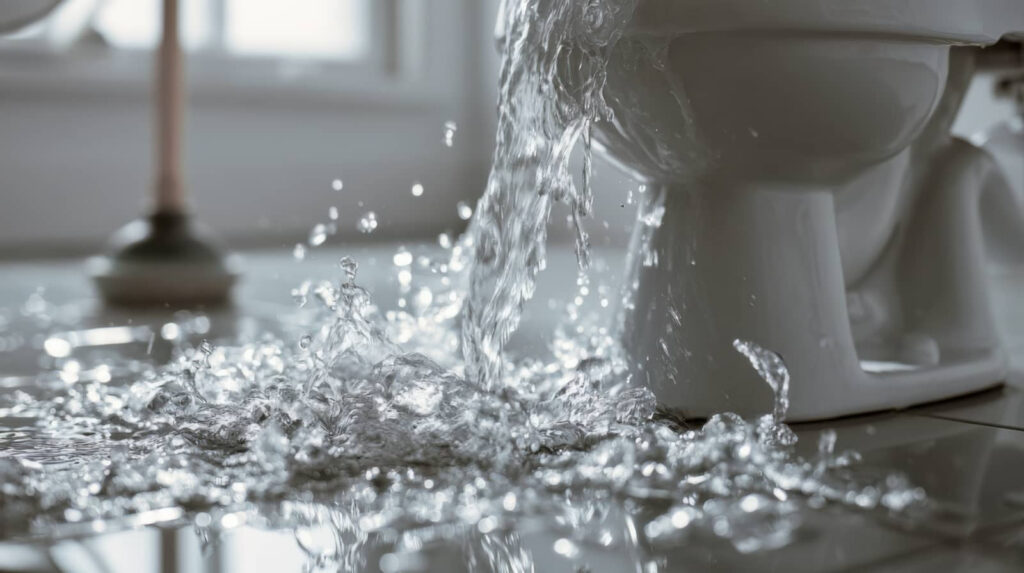
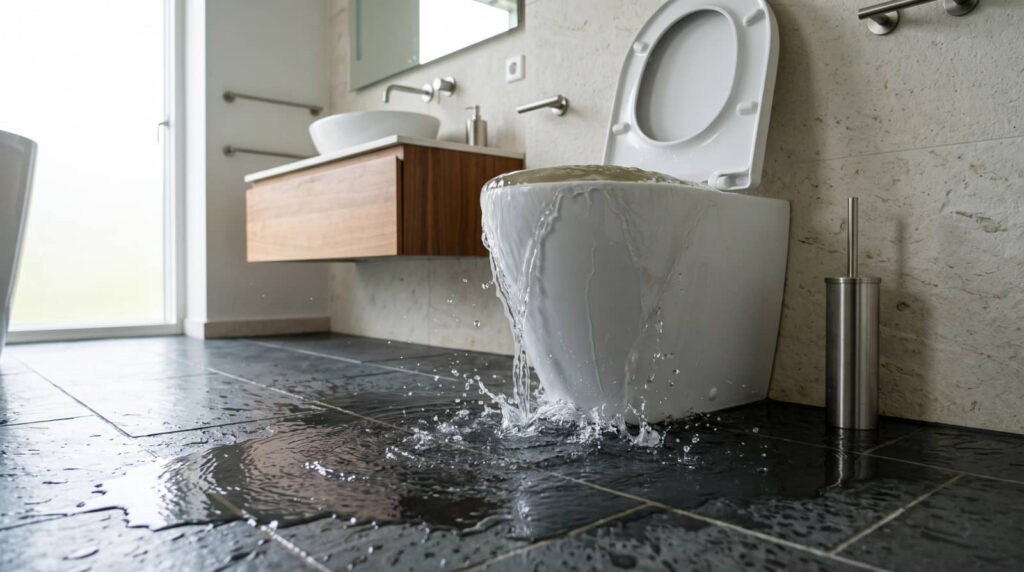
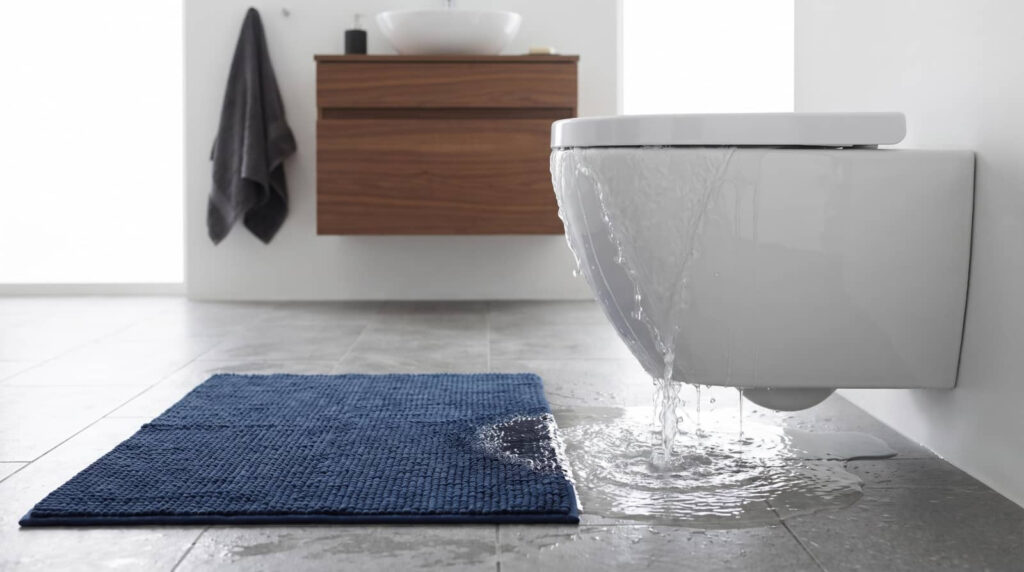
When heavy rain overwhelms a sewer line, contaminated water may surface in tubs, showers, toilets, floor drains, or basement areas. You may see brown, gray, or black liquid with debris, foam, or an oily sheen. This isn’t normal standing water; it signals a sanitary sewer issue and requires immediate action.
Stop using water fixtures to limit further overflow.
Keep people and pets away from the affected area.
Contact a qualified sewage cleanup team for containment, disinfection, and drying.
If you notice this visible contamination, you’re not alone, and fast response protects your household from exposure, structural damage, and lingering odors.
Document the water level, then arrange sewage backup cleanup after heavy rain as soon as possible.
How Sewage Backup Cleanup Works
Sewage backup cleanup begins with stopping the source of contamination and evaluating the extent of water intrusion, especially after heavy rain has overwhelmed drains or sewer lines.
You then isolate affected areas, remove standing water, and discard porous materials that can hold contaminants.
Next, you clean hard surfaces with detergent, then apply an approved disinfectant at the correct dwell time.
You also dry walls, floors, and framing with ventilation and dehumidification to limit microbial growth.
During cleanup, you keep the area restricted, use sealed containers for debris, and replace damaged components only after the structure has dried.
When you follow each step in order, you protect your space, support a safer recovery, and help your home return to normal with confidence and control.
Why Professional Cleanup Is Safer
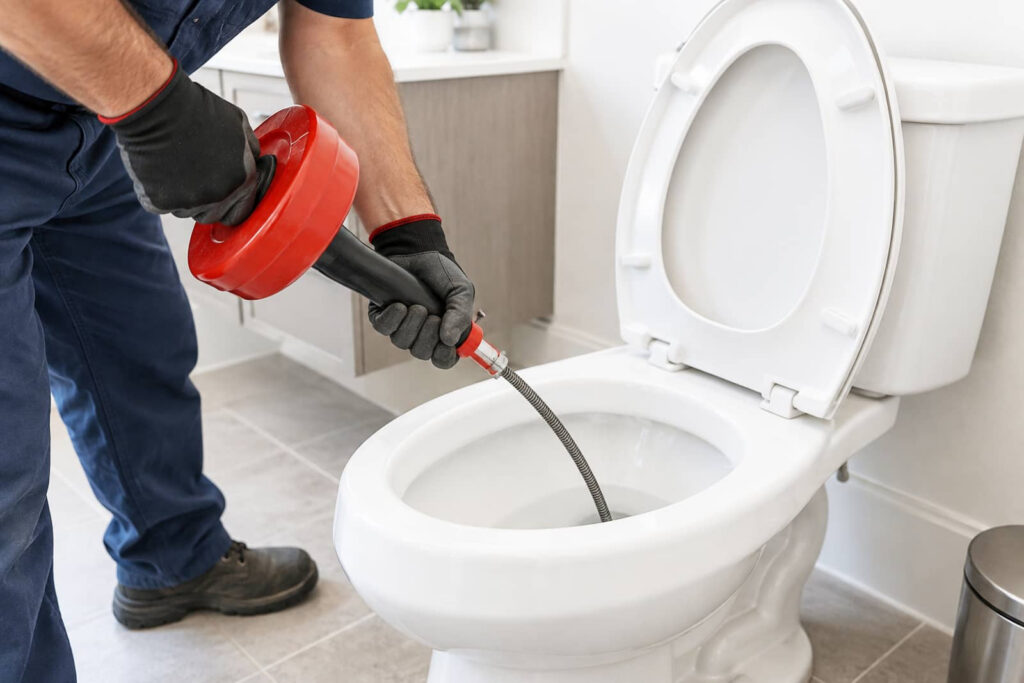
Professional sewage backup cleanup is safer because trained technicians can assess contamination levels, contain the affected zone, and use the right protective equipment and disinfection methods for hazardous waste.
You avoid direct contact with biohazards, airborne particles, and hidden exposure paths that can enter your home’s structure and HVAC system. Professional crews follow regulated procedures, so you’re protected and included in a process designed for your safety.
- They identify the contamination class and set boundaries fast.
- They apply PPE, barriers, and controlled work practices.
- They document hazards and verify safe reentry conditions.
When you choose certified help, you reduce injury risk, limit cross-contamination, and get a cleaner result that meets local compliance expectations.
What Cleanup Crews Remove and Disinfect
Crews remove contaminated water, saturated porous materials, and debris that can’t be safely salvaged. Then, they disinfect hard surfaces, framing, and other exposed areas to reduce biohazard risk. You’ll see technicians target drywall, insulation, carpet pad, and other absorbent items that trap sewage and support microbial growth.
They bag and haul out waste under containment controls, then clean visible soil from floors, studs, trim, and fixtures. Next, they apply EPA-registered disinfectants at the required contact time so pathogens’re reduced on exposed surfaces.
You’re included in the process through clear communication, access limits, and labeled work zones that help everyone stay aligned. Crews also inspect hidden cavities and surrounding materials for residue, then re-clean affected areas until they meet documented sanitation standards.
How Long Sewage Cleanup Takes
Cleanup timelines usually depend on how far contaminated water spread, how long it sat, and what materials it soaked. You’ll usually see a same-day assessment first, then removal, drying, and disinfection over one to several days.
Small, surface-only incidents often finish faster; deeper saturation in drywall, insulation, or subflooring extends the job. Your team may also need follow-up moisture checks before they close the site.
- Initial inspection: 1–2 hours.
- Extraction and removal: several hours to 1 day.
- Drying and sanitation: 1–3 days, sometimes longer.
If structural materials stay wet, cleanup can take longer because technicians must verify safe moisture levels.
You deserve clear progress updates, and a reputable crew will explain each step so you know what’s complete and what still needs attention.
How to Prevent Sewage Backup Next Time
To reduce the chance of another sewage backup, you should keep stormwater and sewer systems from becoming overloaded and address weak points before heavy rain arrives.
Inspect floor drains, clean gutters, and direct downspouts away from foundations so runoff doesn’t enter the sanitary line. Seal cracks in basement walls, test backwater valves, and service sump pumps on a scheduled basis.
Avoid flushing wipes, grease, or other solids that can narrow pipes and raise pressure. If your property has a history of surcharging, install a drain backup alarm and verify that exterior grading moves water away from the structure.
After major storms, document any slow drains or odors so you and your household can act early and stay protected together.
When to Call a Sewage Cleanup Company
If sewage water has already entered your home, you should call a sewage cleanup company as soon as possible, especially after heavy rain or any drain or sewer surcharge event.
You need professional help when contaminated water reaches floors, walls, insulation, or HVAC components, because pathogens and hidden moisture can spread fast. A trained team will assess safety, isolate the area, remove affected materials, and disinfect surfaces to compliant standards.
- Call immediately if water is black, gray, or foul-smelling.
- Call if you can’t identify the source or stop the intrusion.
- Call if sewage touched porous materials, electrical systems, or finished spaces.
Frequently Asked Questions
Does Homeowners Insurance Cover Sewage Backup Damage?
Homeowners insurance often doesn’t cover sewage backup damage unless you add specific sewer or water backup coverage. You should review your policy, because standard coverage usually excludes contaminated water, and endorsements can protect you.
Can I Stay in My House During Sewage Cleanup?
No, you shouldn’t stay if contamination’s present; your home isn’t a spa. You’ll need to leave during cleanup, keep clear of affected areas, and return only after pros verify drying, disinfection, and safety.
How Much Does Sewage Backup Cleanup Cost?
You’ll usually pay $2,000-$10,000, depending on contamination, damage, and drying needs. You should get a licensed inspection first, then request itemized estimates; insurance may cover part of the remediation, cleanup, and disposal.
What Health Risks Come From Sewage-Contaminated Floodwater?
You’re exposed to bacteria, viruses, parasites, and chemicals that can cause gastrointestinal illness, skin infections, wound contamination, and respiratory irritation. You’ll also face tetanus risk and mold-related symptoms after prolonged contact.
Can Carpets and Furniture Be Saved After Sewage Exposure?
Yes, you can sometimes save them if contamination is minor and you act fast. You’ll need professional cleaning, disinfecting, and drying; otherwise, porous carpets and upholstered furniture usually need replacement.
Final Thoughts
If you handle sewage backup cleanup after heavy rain quickly, you cut the risk of microbial spread and structural damage. Remember that just 1 inch of floodwater can cause more than $25,000 in property losses, so fast response matters. You should stop using plumbing, isolate contaminated areas, and call certified technicians right away. They’ll remove sewage, disinfect surfaces, and verify safety so you can return to normal conditions with less risk and downtime.