Contents
Last spring, a homeowner found wastewater backing up after flushing wipes, a reminder that one small blockage can stop an entire system. In your house, sewage backup usually starts with grease, hair, or nonflushable items clogging pipes, but damaged sewer lines, heavy rain, and poor yard drainage can make it worse. The cause isn’t always inside your drains, and the real failure point may be farther out than you expect.
Key Takeaways
- Sewer backups happen when wastewater cannot flow through the drain system and returns into sinks, tubs, toilets, or floor drains.
- Common causes include clogs from grease, wipes, hair, soap scum, and food scraps that block pipes.
- Damaged sewer lines, such as cracked, collapsed, or root-infiltrated pipes, can restrict wastewater flow.
- Heavy rain and poor drainage can overwhelm sewer systems and cause wastewater to back up into the home.
- Repeated slow drains, gurgling sounds, and frequent clogs often signal a deeper plumbing or sewer line problem.
What Is Sewer Backup in House Plumbing?
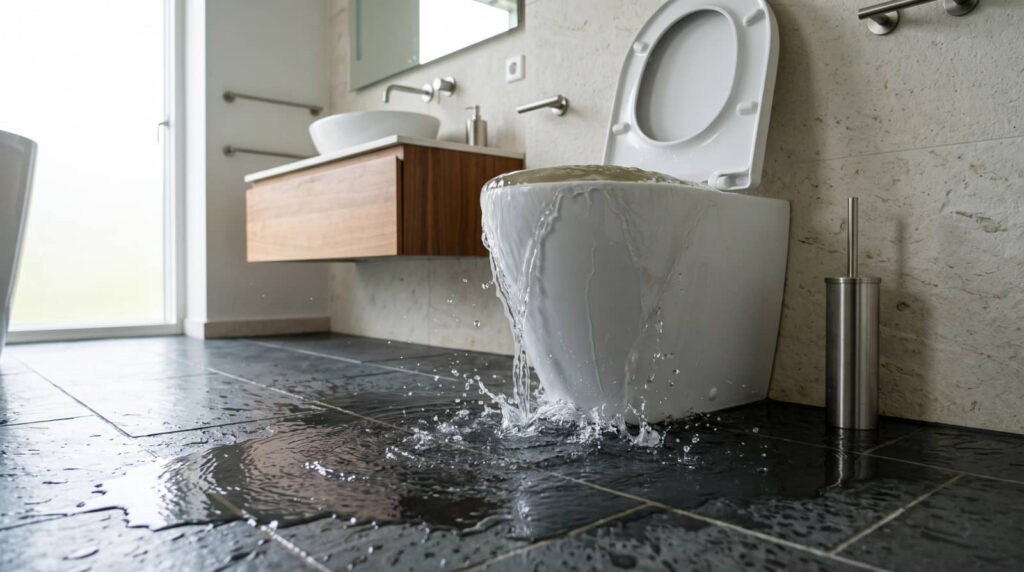
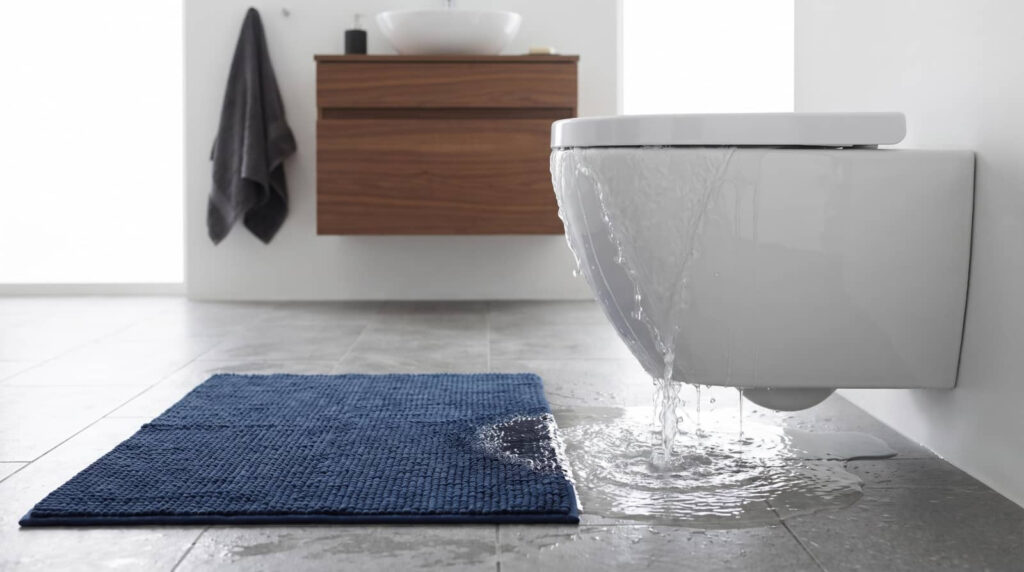
A sewer backup in house plumbing happens when wastewater can’t move properly through the drain system and starts flowing back into sinks, tubs, toilets, or floor drains. You’re seeing a system failure, not just a messy fixture.
Pressure builds where flow stops, and contaminated water looks for the easiest path back inside your home. That’s why you need to treat it as a plumbing emergency.
If you’re asking what causes sewage backup in house, the answer usually involves an obstruction, damaged sewer piping, or outside conditions that overwhelm drainage capacity.
You may notice slow drains, gurgling sounds, or sewage odors before a full backup occurs. Knowing these warning signs helps you act fast, protect your space, and stay connected to a safer home plumbing setup.
Common Clogs That Cause Sewer Backup
Clogs are one of the most common reasons sewage backs up into your house, because they block wastewater from moving through the drain and sewer line. You’ll usually see them in toilets, kitchen sinks, showers, and floor drains.
Build-up narrows the pipe, slows flow, and can push waste back into your home.
Grease and fat: They cool, harden, and trap other debris.
Wipes and paper products: Even “flushable” items don’t break down fast enough.
Hair, soap scum, and food scraps: These collect over time and form dense plugs.
If you notice slow drains, gurgling, or repeated clogs, act quickly.
Clearing blockages early helps you protect your space and stay ahead of a messy backup.
Sewer Line Damage and Blockages
When your sewer line is cracked, offset, or partially collapsed, wastewater can’t move freely and may back up into the house. You may notice repeated drain gurgling, slow fixtures, or sewage odors because the pipe can’t carry flow at full capacity.
Roots can enter small openings, and debris can collect at damaged joints, narrowing the passage even more. In older systems, corrosion or shifting soil can also deform the line and trap waste.
If you live with these symptoms, you’re not dealing with a one-time clog; you’re seeing a structural problem. A plumber can inspect the line with a camera, locate the blockage, and determine whether repair or replacement will restore safe flow.
Acting early helps protect your home and the people in it.
How Heavy Rain Causes Sewer Backup
Heavy rain can overwhelm a sewer system fast, especially if the line already has limited capacity or local drains are carrying stormwater into the same network. When runoff enters the system, flow rises and pressure builds, so wastewater can’t move away from your home as designed.
You may notice gurgling fixtures, slow drainage, or sewage pushing back through lower openings.
- Stormwater adds sudden volume.
- Municipal lines lose capacity under peak flow.
- Backpressure forces wastewater toward your plumbing.
You’re not dealing with a solo problem; your line connects to the wider system, and a big storm can strain everyone on the block.
Staying alert after heavy rain helps you catch warning signs early and protect your home.
Drainage Problems That Lead to Backup
Poor drainage around your home can let water collect where it shouldn’t, increasing the chance that wastewater backs up into your plumbing.
When grading slopes toward the foundation, stormwater can saturate soil and overwhelm the sewer connection. Clogged gutters, short downspouts, and compacted landscaping trap runoff near the house, raising hydrostatic pressure against pipes and basement drains.
If your yard lacks swales or functioning French drains, surface water may seep into cracked laterals or manholes and reduce sewer capacity.
You can protect your system by clearing debris, extending downspouts, regrading low spots, and sealing exterior openings.
Inspect drain tiles and sump discharge lines too, because one weak point can affect the whole house.
Good drainage keeps your home’s plumbing working with the neighborhood, not against it.
Frequently Asked Questions
How Do I Know Sewage Backup Is Starting?
You’ll notice slow drains, gurgling toilets, foul odors, and water backing up in tubs or floor drains. Don’t ignore these early signs; check multiple fixtures right away and call a plumber fast.
Can Tree Roots Cause Sewage to Back Up?
Yes—tree roots can act like sneaky hands, gripping and cracking your sewer line. You’ll get slower drains, gurgling, then backups. Inspect pipes, clear roots fast, and you’ll protect your home and neighbors.
Is Sewage Backup Dangerous to My Health?
Yes, sewage backup can threaten your health because you’re exposed to bacteria, viruses, and parasites. You should avoid contact, ventilate the area, wear protective gear, and call a professional immediately for cleanup.
How Often Should Sewer Lines Be Inspected?
You should inspect sewer lines every 1 to 2 years, and sooner if you notice slow drains, odors, or backups. You’ll stay ahead of clogs, root intrusion, and pipe damage with routine checks.
What Should I Do Immediately After a Backup?
You should stop using water, shut off electricity near the area, and wear gloves. Coincidentally, the smell often hits first; then, you’ll isolate the source, call a plumber, and document damage for your claim.
Recap
So, when you ask what causes sewage backup in house plumbing, the answer is usually a mix of clogs, damaged sewer lines, heavy rain, and poor drainage. You can think of your plumbing like a highway: if one lane is blocked, traffic backs up fast. By clearing grease, wipes, and hair, inspecting pipes, and managing runoff, you can reduce the risk and keep wastewater moving where it should.